Things to do in Nuragus
Things to do in Nuragus: Santu Millanu nuraghe, Coni sacred well, Valenza nuraghe, Sant'Elia sanctuary, Nuragus wine and village feasts.
We are gathering the first experiences for this area. Check back soon, or tell us about an operator you know.
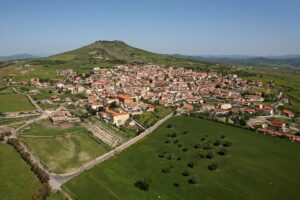
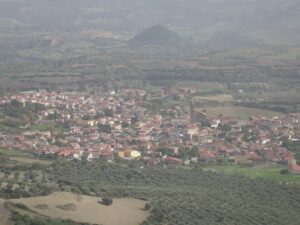
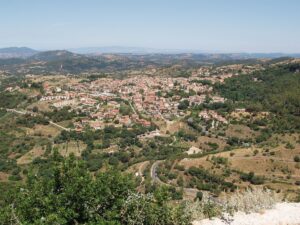
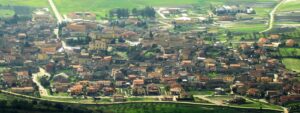
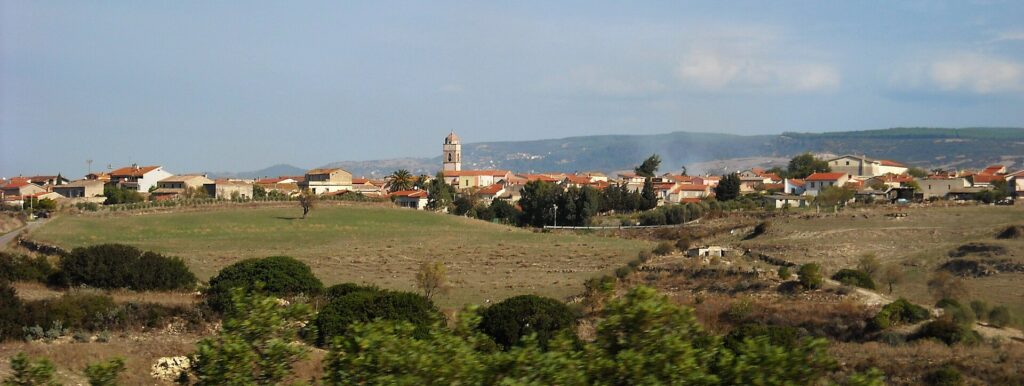
Nuragus is a village of about eight hundred people on the border between the Marmilla and the Sarcidano, north of the Giara plateau, around 75 km from Cagliari. The name says it all: the land is dotted with nuraghi (Bronze Age stone towers), including the great Santu Millanu complex, and it keeps the memory of Roman Valentia. It's also the birthplace of the Nuragus white grape, one of Sardinia's most widespread. A destination for lovers of archaeology, wine and rural traditions.
What to see in Nuragus
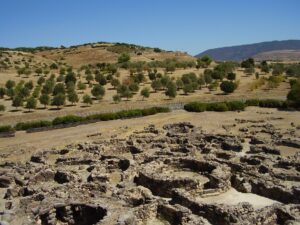
The Santu Millanu nuraghe
The most important and best-preserved site: a central tower ringed by a bastion with four corner towers, plus traces of a village used into Roman times. It's named after a chapel of San Gemiliano that disappeared in the 19th century and features on the town's coat of arms.
The Coni sacred well
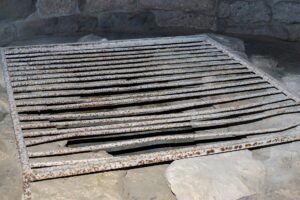
Close to Santu Millanu, this small, finely built well temple has a stairway and an underground chamber where water rises. A female bronze figurine known as the "praying matriarch" was found inside.
The Valenza nuraghe and other sites
The Valenza (or Alenza) nuraghe is one of the rare five-lobed nuraghi. On the Pranu is Ciaexìus plateau, on the border with Nurallao, lies the Aiodda giants' tomb, where fragments of carved menhirs were found. Dozens of nuraghi and domus de janas (rock-cut tombs) dot the area; many finds are in the National Archaeological Museum in Cagliari.
The churches
The sanctuary of Sant'Elia, of medieval origin, was for centuries the area's main religious centre, with a yearly market held under its loggias. The parish church of Santa Maria Maddalena has Baroque wooden altars and 18th-century furnishings.
Things to do in Nuragus
The best way to discover Nuragus is an archaeological route linking Santu Millanu, the Coni well and the Valenza nuraghe, on foot or by bike through fields and pastures. Wine lovers can taste Nuragus, a fresh, easy-drinking white, at local wineries. The Giara and its wild horses are just minutes away. Get inspired by the experiences offered by local operators, just below.
History
Inhabited since prehistory, in Roman times the area was home to Valentia, mentioned by Pliny and Ptolemy as the centre of the Valentini people: tradition says the village was founded by survivors of its destruction. In the Middle Ages Nuragus belonged to the Giudicato of Arborea. After the Battle of Sanluri in 1409 it passed to the Aragonese and several feudal families, finally joining the Marquisate of Laconi, until it was bought back in 1839.
Food and local products
The star is Nuragus wine, from the grape named after the village, once called axina burda for its hardiness. Try is tallarinus, tagliatelle with sour cheese, and su turroni de cixiri, a local nougat. Sardinian sheep's cheeses are excellent.
Festivals and traditions
- January: San Sebastiano.
- May: Sant'Isidoro and the tallarinus festival.
- Early July: Sant'Elia, the most heartfelt feast.
- Late July: Santa Maria Maddalena, the patron saint.
- November: the turroni de cixiri festival.
Nearby
- Giara di Gesturi: the wild horses.
- Laconi: the Menhir Statue Museum and the Aymerich park.
- Isili: the Is Paras nuraghe.
- Barumini: Su Nuraxi, a UNESCO site.
Getting there and when to go
From Cagliari-Elmas take the SS131 to Sanluri, then the road towards Barumini and Gesturi: about an hour and a quarter. Spring and autumn are perfect for the archaeological sites; July brings the feasts of Sant'Elia and the Maddalena.
FAQ
How long do I need for Nuragus?
Half a day for the main sites; a full day if you add the Giara or Barumini.
Is Nuragus good for families?
Yes, the nuraghi are easy to reach and kids love them; bring water and a hat in summer.
Does Nuragus wine come from here?
Yes, the grape is named after the village, where until the mid-20th century it grew in almost every field.