Things to do in Goni
Things to do in Goni, Sardinia: the Pranu Mutteddu menhir park, Nuraghe Goni above Lake Mulargia, festivals and how to get there.
We are gathering the first experiences for this area. Check back soon, or tell us about an operator you know.
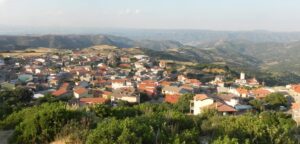
Goni (Gòni in Sardinian) is a tiny village of a few hundred people in the Flumendosa valley, between the Trexenta and Gerrei regions, surrounded by countryside of oak, holm oak and cork oak. It's famous for the archaeological park of Pranu Mutteddu, one of the most important menhir sites in the Mediterranean, and for a nuraghe overlooking Lake Mulargia. It's perfect if you love prehistory, quiet nature and places still off the beaten track.
What to see in Goni
Pranu Mutteddu archaeological park
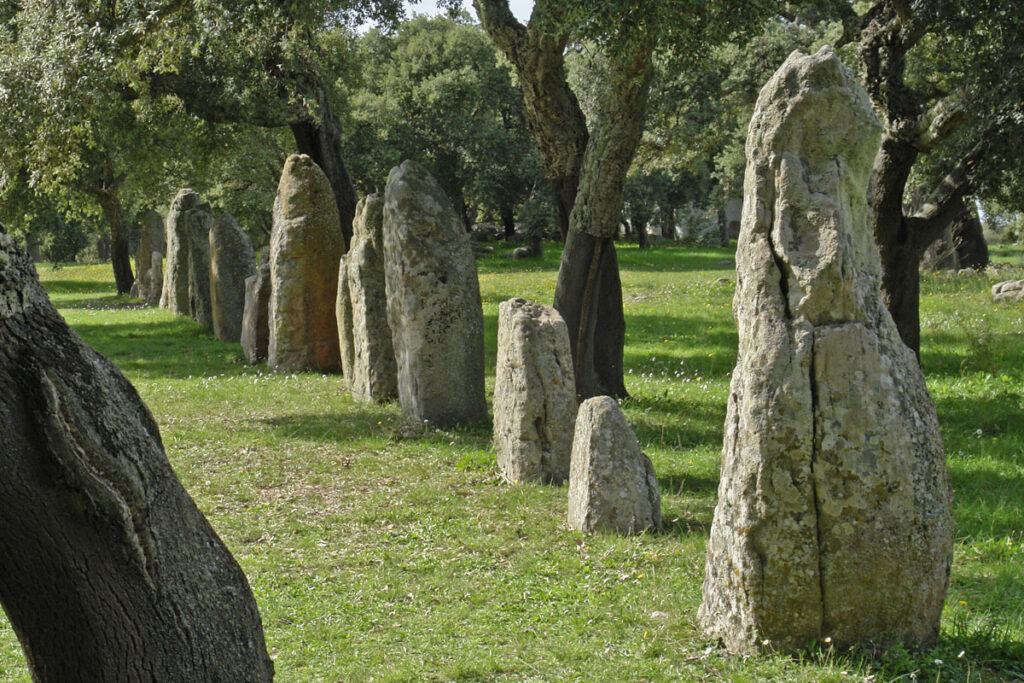
A few kilometres from the village, in a cork-oak wood, lies a site of about 20 hectares dating to the Late Neolithic (around 3200–2800 BC). It holds some sixty menhirs (standing stones, perdas fittas in Sardinian), the highest known concentration in Sardinia; a line of about twenty follows the path of the sun. There are also circle tombs with slab-lined corridors, the Nuraxeddu necropolis and the domus de janas (rock-cut tombs, literally “fairy houses”) of Genna Accas. It's a place to explore slowly, ideally with a guide.
Nuraghe Goni
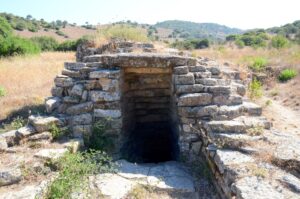
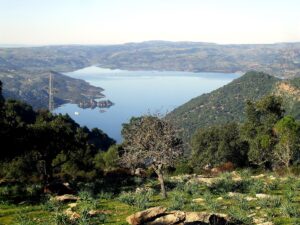
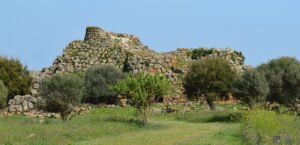
On a plateau above the village stands a single-tower Bronze Age nuraghe (prehistoric stone tower) of limestone blocks, about 8 metres high, with its tholos (corbelled dome) chamber intact. From the top there's a lovely view over Lake Mulargia.
Peinconi
About 500 metres from the village, at Peinconi, graptolites – rare Palaeozoic marine fossils – come to the surface: a treat for geology fans.
Things to do in Goni
Goni is walking country: stroll among menhirs and cork oaks at Pranu Mutteddu, climb to the nuraghe for sunset over the lake, explore the country lanes towards the Flumendosa on foot or by bike. Nearby Lake Mulargia is great for kayaking and lakeside rides. Check the experiences offered by local operators below: guided visits, hikes and outdoor activities.
History
The area has been inhabited since at least the 4th–3rd millennium BC, as Pranu Mutteddu shows, and later in the Nuragic age. In the Middle Ages Goni belonged to the Judicate of Cagliari, in the district of Siurgus. After 1258 it passed to Pisa and in 1324 to Aragon, which granted it as a fief; in the 18th century it became part of the marquisate of San Tommaso, until feudalism was abolished in 1839.
Food and local products
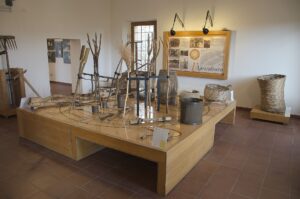
The cooking is that of inland southern Sardinia: home-baked bread, sheep's and goat's cheese, roast meats, pulses and almond sweets. Goni's traditional crafts are cork working and basket weaving, skills handed down for generations.
Festivals and traditions
- Late March: spring day at the archaeological park.
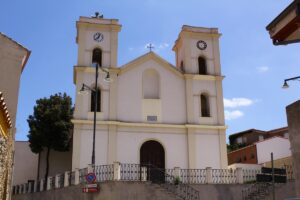
- Late July: feast of the patron saint San Giacomo Maggiore (St James), with a solemn procession through the village.
Nearby
- Lake Mulargia, just below the village.
- Escalaplano and Ballao, about 7 km away, with the Flumendosa valleys and the sacred well of Funtana Coberta at Ballao.
- Siurgus Donigala, with old churches and its festival of giant votive candles.
- Orroli and Nuraghe Arrubiu, about half an hour away.
Getting there and when to go
The nearest airport and port are in Cagliari, about 70 km and just over an hour's drive away via the Trexenta and Siurgus Donigala. You'll need a car. Spring is the best time, when the meadows around the menhirs are green and in flower, or autumn; in summer, visit the sites early in the morning or late in the afternoon.
FAQ
How long do I need for Pranu Mutteddu?
Allow at least a couple of hours for the park; add Nuraghe Goni and a stop at Lake Mulargia for half a day.
Is Goni near the sea?
No, it's inland. The nearest coast is the south-east, more than an hour's drive away.
Is it good for children?
Yes: walking among standing stones in the woods is a hit with kids. Bring water and a hat in the warmer months.