Things to do in Pauli Arbarei
Pauli Arbarei, Sardinia: San Vincenzo and Sant'Agostino churches, a women's folk museum, Bruncu Mannu nuraghe and the May sheep festival.
We are gathering the first experiences for this area. Check back soon, or tell us about an operator you know.
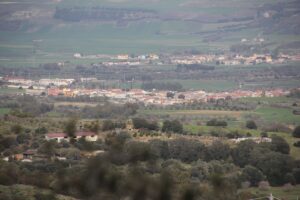
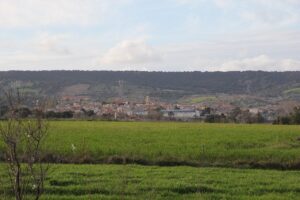
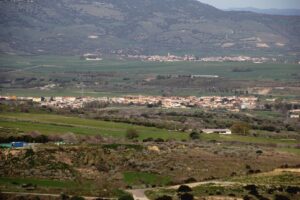
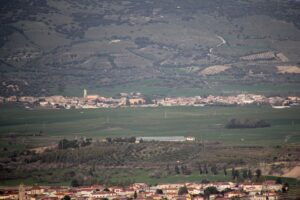
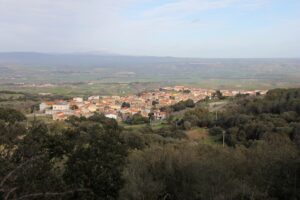
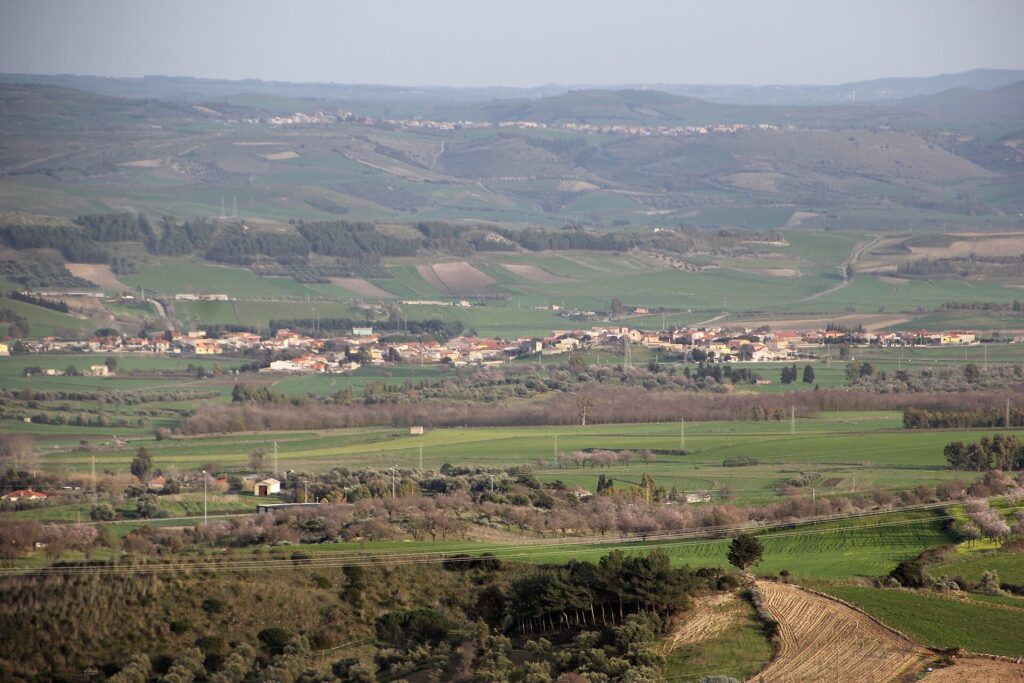
Pauli Arbarei is a small farming village of around five hundred people in the heart of the Marmilla, in south-central Sardinia, about an hour's drive from Cagliari. It lies on flat land on the edge of an old marsh drained in the late 19th century, among wheat fields and gentle hills. It is worth a stop for its churches, a small museum devoted to the village's women and the Bruncu Mannu nuraghe. It suits travellers exploring the Marmilla at a slow pace and looking for genuine rural village life.
What to see in Pauli Arbarei
The church of San Vincenzo
The parish church in the centre dates from the mid-17th century and is Renaissance in style. Inside is a 17th-century wooden Crucifix with fine gilded decoration.
The church of Sant'Agostino
The oldest church, dated 1421, has three naves with a timber roof, round arches and a facade with a pointed doorway. It is still used for worship and is the heart of the village's most heartfelt feast.
The Women's Ethnographic Museum
In the old centre, this multimedia museum tells the village's story through women's voices: weaving, field work, bread-making and faith. The village also has Sa Tellaia, an exhibition on farming culture and traditional cooking. As you walk around, look out for houses built of stone and ladiri, the mud-and-straw bricks typical of the Campidano.
Bruncu Mannu nuraghe
About ten Nuragic remains dot the territory. The most important is the three-lobed nuraghe of Bruncu Mannu, where excavations uncovered bronzes and decorated pottery, some now in the National Archaeological Museum in Cagliari.
Things to do in Pauli Arbarei
The flat, quiet countryside is perfect for walks and bike rides among fields and nuraghi, with the Giara di Gesturi plateau on the horizon. The village is a peaceful base for the great sites of the Marmilla, just minutes away by car. Check out the experiences offered by local operators just below.
History
The area was already inhabited in the Nuragic age. In the Middle Ages the village belonged to the Judicate of Arborea, in the Marmilla district. After the judicate fell it passed to the Marquisate of Oristano and, from 1478, to the Aragonese, becoming part of the county (later marquisate) of Quirra. The fief was bought out in 1839. In the 19th century the marsh that gave the village its name (pauli in Sardinian) was reclaimed; three flamingos on the coat of arms recall that past.
Food and local products
Pauli Arbarei has a long tradition of grain farming and livestock. Its specialities are cheese and meat, especially mutton, the star of the spring festival. Also try the homemade bread and traditional Marmilla sweets.
Festivals and traditions
- San Vincenzo, the patron saint, in late January, with a great bonfire called su fogadoni.
- Sagra della pecora (sheep festival), in mid-May, alongside the feast of Sant'Isidoro, patron of farmers, with a procession of yoked oxen, horses, carts and decorated tractors.
- Sant'Agostino, in late August, the village's biggest feast.
Nearby
- Barumini and the UNESCO-listed Su Nuraxi, about fifteen minutes away.
- Las Plassas and the Marmilla castle on its conical hill.
- Giara di Gesturi, home of the wild ponies.
- Siddi, with the Sa Domu 'e s'Orku giants' tomb.
Getting there and when to go
The nearest airport and port are in Cagliari, about an hour away: take the SS131 highway to Sanluri, then head into the Marmilla. From Oristano it takes about 50 minutes. Spring is the best season, when the countryside is green and the sheep festival takes place; autumn is pleasant too, while summer is very hot.
Frequently asked questions
How long do I need for Pauli Arbarei?
A couple of hours is enough for the churches and museum; it fits nicely into a Marmilla day trip with Barumini and Las Plassas.
Is Pauli Arbarei near the sea?
No, it is an inland village. The nearest beaches are on the west coast and around the Gulf of Oristano, about an hour's drive away.
When is the sheep festival?
Traditionally in mid-May, together with the feast of Sant'Isidoro.