Things to do in Barumini
Things to do in Barumini, Sardinia: Su Nuraxi UNESCO site, Casa Zapata, churches and the Giara di Gesturi. History, festivals, food and visiting tips.
We are gathering the first experiences for this area. Check back soon, or tell us about an operator you know.
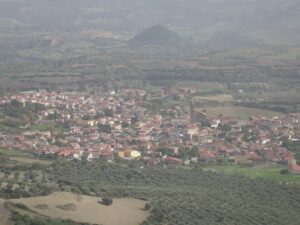
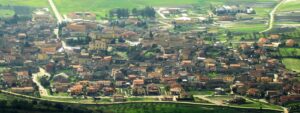
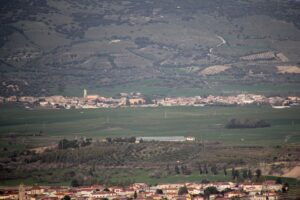
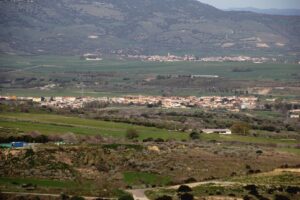
Barumini is a small village in the Marmilla, a region of gentle hills in the heart of southern Sardinia, about an hour's drive from Cagliari. Its name is tied to Su Nuraxi, the island's most famous Nuragic complex and the only Sardinian archaeological site on the UNESCO World Heritage list. But Barumini is also worth a visit for Casa Zapata, where a nuraghe lies beneath the floors of a noble palace, for its churches and for the nearby Giara di Gesturi plateau with its wild horses. It's ideal for history lovers, families with curious kids and anyone who wants to discover inland Sardinia.
What to see in Barumini
Su Nuraxi, a UNESCO World Heritage Site
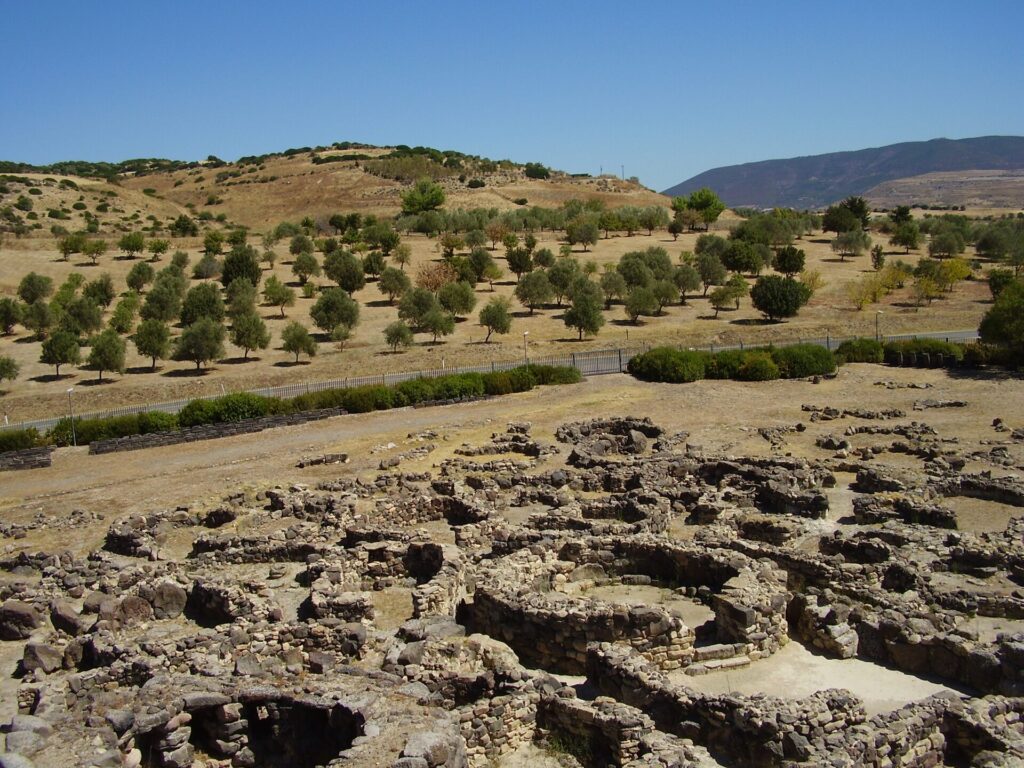
Until the mid-20th century it looked like a simple hillock on the edge of the village. Excavations led in the 1950s by archaeologist Giovanni Lilliu, himself born in Barumini, uncovered a true Bronze Age fortress. At its centre stands the main tower, or keep, built of huge basalt blocks and still about 18 metres high; around it, a bastion with four corner towers encloses a courtyard with a well. An outer wall was added later, and a village of about fifty round huts grew up around it, with lanes, wells and drains. One of them, the meeting hut, still has its stone bench running along the walls. The site was lived in for many centuries, right up to Roman times. Since 1997 Su Nuraxi has been a UNESCO World Heritage Site; visits are guided and take you inside the towers through the original stairways and passages.
Casa Zapata and the Nuraxi 'e Cresia
At the highest point of the village stands Casa Zapata, home of the Zapata barons, a family of Aragonese origin who ruled this fief. During restoration, another nuraghe came to light beneath the palace: the Nuraxi 'e Cresia ("church nuraghe"). Today the complex is a museum: you walk on suspended walkways and glass floors above the Nuragic towers, and visit the archaeology section with finds from Su Nuraxi, the history section and the ethnographic section, which also covers the launeddas, Sardinia's ancient three-reed wind instrument.
Giovanni Lilliu Centre
A short walk from Su Nuraxi, the cultural centre named after the "father" of Sardinian archaeology hosts permanent and temporary exhibitions, events and concerts on the island's archaeology and traditions.
The churches
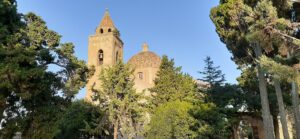
The parish church of the Beata Vergine Immacolata, from the 16th century, shows late-Gothic forms; the church of San Francesco is linked to the Franciscan friary founded in the early 1600s. Just outside the village, the little church of San Giovanni, from the 13th century, is a rare Romanesque example with two naves and two apses. The small church of Santa Tecla completes the picture.
Things to do in Barumini
- Guided tour of Su Nuraxi and Casa Zapata: the best way to understand how the Nuragic people lived and why this site is unique.
- Excursions on the Giara di Gesturi, a few minutes away by car, on foot, by bike or on horseback, in search of the wild horses among cork oaks and seasonal ponds.
- Archaeological itineraries through the Marmilla, linking nuraghi, medieval castles and village museums.
- Food experiences at local farms and dairies, tasting cheeses, bread and olive oil.
- Workshops for children and hands-on archaeology activities, often offered locally.
Just below you'll find the experiences offered by local operators in Barumini and the Marmilla: choose the tour, excursion or workshop that suits you and book it.
History
Barumini's story begins with the Nuragic people: Su Nuraxi was built around the middle of the 2nd millennium BC and, enlarged several times, remained inhabited until the Roman era. In the Middle Ages the village belonged to the Giudicato (medieval kingdom) of Arborea and was the seat of the Marmilla curatoria (district). After the Battle of Sanluri in 1409 it passed to the Aragonese, and in the 16th century it became part of the barony of Las Plassas, ruled by the Zapata family, who built their palace here. When fiefs were bought out in 1839, Barumini became an independent municipality. In the 20th century its name travelled the world thanks to Giovanni Lilliu and the discovery of Su Nuraxi.
What to eat and buy
The Marmilla is a land of wheat, sheep and olive trees. Expect homemade bread, traditional soups and pasta, mutton and lamb, roast suckling pig and pecorino cheeses. Sweets are often made with almonds, such as amaretti and pabassinas (with raisins and walnuts). In the nearby villages of Turri and Villanovafranca farmers grow Zafferano di Sardegna DOP, a protected saffron used in many recipes. To take home: cheese, olive oil, saffron, honey and local textiles and basketry.
Festivals and traditions
- San Sebastiano, the patron saint, on 20 January.
- Sheep show (Mostra degli ovini), on the last weekend of April, a showcase of local herding.
- Sant'Isidoro, protector of farmers, in mid-May.
- Santa Lucia, in July.
- San Francesco and Sant'Ignazio, in mid-September.
Feast days bring processions, traditional costumes, singing and Sardinian dances to the sound of the launeddas.
Around Barumini
- Giara di Gesturi: a basalt plateau with wild horses, cork woods and paulis (seasonal ponds), about 15 minutes away.
- Las Plassas: the Marmilla castle on a cone-shaped hill and the MudA museum, a few kilometres away.
- Tuili: the church of San Pietro with its early-16th-century altarpiece, Villa Asquer and the Sardegna in Miniatura theme park, great with kids.
- Villanovaforru: the Genna Maria nuraghe and the archaeological museum, about 20 minutes away.
- Sanluri: its medieval castle, about 25 minutes away.
Getting there and when to go
The nearest airport is Cagliari-Elmas, about an hour away by car: take the SS131 to Sanluri, then the road into the Marmilla. The nearest port is Cagliari. Public transport is limited, so renting a car is the best option. Barumini can be visited year-round; spring and autumn are ideal, with green hills, mild temperatures and the Giara at its best. Summers are very hot, so visit Su Nuraxi early in the morning or late in the afternoon.
FAQ
How much time do you need in Barumini?
Half a day is enough for Su Nuraxi and Casa Zapata. With a full day, add the Giara di Gesturi or the castle at Las Plassas.
Can you visit Su Nuraxi on your own?
No, visits to the Nuragic complex are guided, in groups that leave at regular intervals. Check times before you go, especially in the low season.
Is Barumini good for families?
Yes: kids love climbing inside the nuraghe's towers, and nearby you'll find the Giara's wild horses and the Sardegna in Miniatura park.
Is Barumini near the sea?
No, it's inland. The nearest beaches are around Cagliari, about an hour's drive, and on the Costa Verde, a little further away.