Things to do in San Basilio
San Basilio, Sardinia: Roman baths, Bau Crabas sacred wells, woods and waterfalls, the Sardinia Radio Telescope and local festivals.
We are gathering the first experiences for this area. Check back soon, or tell us about an operator you know.
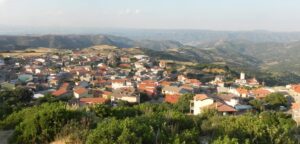
San Basilio is a shepherding village of about 1,100 people between Senorbì and Goni, on the slopes of the Pitz'e Pranu hill, where the Trexenta meets the Gerrei. In Sardinian it's called Santu 'Asìli 'e Monti. It packs a surprising variety: Roman baths, Nuragic sacred wells, holm-oak woods with springs and small waterfalls and, out in the countryside, the huge Sardinia Radio Telescope. A great choice for lovers of nature, archaeology and genuine village festivals.
What to see in San Basilio
Roman baths and the chapel of San Basilio
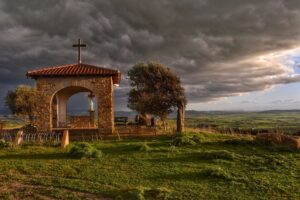
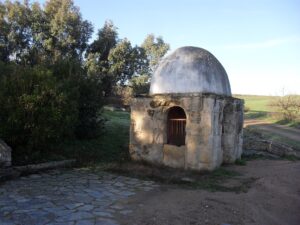
The bath complex, built no earlier than the 2nd century AD, keeps water channels, massive walls and several rooms, including an apsed hall and a small room with a fresco of a starry sky. Tradition says Byzantine monks, followers of St Basil, founded a monastery here, giving the village its name. Inside stands the small church of San Basilio, once the parish church.
Sacred wells and nuraghi
The Bau Crabas sacred wells, just over a hundred metres apart, point to an important water-worship site; the second is well preserved. The main nuraghe (Bronze Age stone tower) is Perdu Molas, also called Sa Domu 'e s'Orcu («the ogre's house»), with a corbelled tholos chamber. There's also the Minza Piseddu giants' tomb.
Village churches
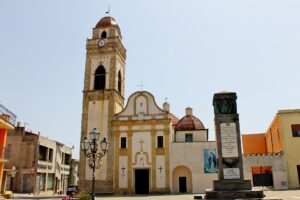
The parish church of San Pietro Apostolo was built between 1590 and 1700; the chapel of San Sebastiano is medieval in origin, while Santa Barbara, from 1973, stands in the Pitz'e Pranu pine park.
Things to do in San Basilio
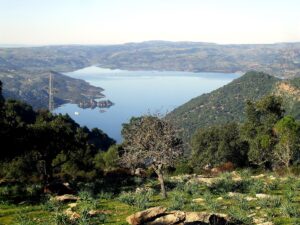
The area is rich in holm-oak and oak woods, with prized mushrooms in autumn, the Su Scruzzu forest and springs, ponds and small waterfalls such as Su Laccheddu. The Pitz'e Pranu pine wood is perfect for a picnic and a stroll. In the countryside you'll spot the giant dish of the Sardinia Radio Telescope, one of Europe's largest radio telescopes. Hiking, cycling and guided tours of the archaeological sites are the best way to explore: you'll find local operators' experiences just below.
History
The area has been inhabited since at least the 2nd millennium BC and was important in Nuragic times; in the Roman era came the baths and the settlement of Pranu Gennas. In the Middle Ages the village, called Sanctu Basili de Montis, belonged to the Trexenta district of the Judicate of Cagliari; it then passed to Pisa, Aragon and the fief of Villasor until it was redeemed in 1839.
Food and shopping
Shepherding is still central: cheeses and ricotta made the traditional way, lamb and goat, bread and sweets, including the renowned almond nougat. Crafts include fabrics woven on the Sardinian loom and wooden objects.
Festivals and traditions
- Mid-January: Sant'Antonio Abate and San Sebastiano, with the great bonfire, su foghidoni.
- Early February: Sa cursa de sa pudda, a horseback joust where riders try to grab a wooden hen.
- Early June: Santa Barbara, with a procession through the pine wood.
- Mid-June: feast of San Basilio Magno.
- Late June: San Pietro Apostolo, the patron saint.
- Summer: sheep festival for St John the Baptist, protector of shepherds.
Nearby
- Senorbì: Sa Domu Nosta museum and the Monte Luna necropolis.
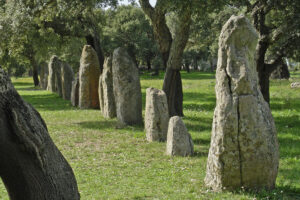
- Goni: the Pranu Muttedu menhirs.
- Siurgus Donigala: Lake Mulargia.
- Silius: Sassai castle.
Getting there and when to go
Cagliari's airport and port are about an hour's drive away, via Senorbì. Spring and autumn are ideal for the woods and springs; early February and June bring the liveliest festivals.
FAQ
Can you visit the Sardinia Radio Telescope?
The dish is easy to see from the country roads; visits inside are only possible on occasions organised by the research institute.
What is Sa cursa de sa pudda?
An early-February horse race, similar in spirit to Oristano's Sartiglia, in which riders must grab a wooden hen.
Is San Basilio family-friendly?
Yes: the pine wood, waterfalls and Roman baths make for a varied, relaxed day.