Things to do in Senis
Things to do in Senis, Sardinia: Funtana Menta castle tower, the 1662 baronial palace, the Spanish fountain, nuraghi, festivals and local food.
We are gathering the first experiences for this area. Check back soon, or tell us about an operator you know.
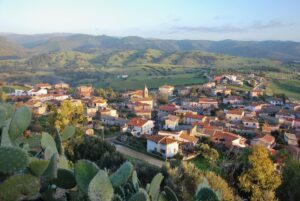
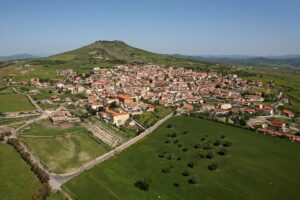
Senis is a small village in the Upper Marmilla, in the province of Oristano, nestled between the hills of Giuerri and Santa Vittoria along the Rio Imbessu. For centuries it was the seat of a barony, and you can still see it in the tower of a medieval castle, a 17th-century baronial palace and an elegant Spanish fountain. Among vineyards, almond trees and gnarled olive groves, it is a quiet destination for lovers of history, countryside and honest flavours.
What to see in Senis
Funtana Menta castle tower
On Funtana Menta hill stand the ruins of a rectangular tower about ten metres high, dating from around the 13th century, with an underground cistern still intact. The castle protected the village in the Middle Ages.
Baronial palace
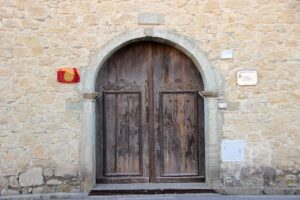
Built in 1662 and restored, the complex includes a two-storey villa, stables, a small prison and the Is Nueddas enclosure, originally a garden. A courtyard separates it from the castle tower.
Spanish fountain
On the bank of the Rio Imbessu, this trachyte fountain is decorated with a water-spouting mask and two swans in bas-relief.
Churches and nuraghi
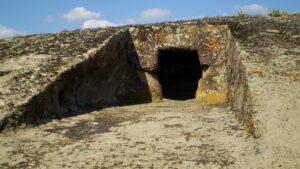
The 16th-century parish church of San Giovanni holds the Altar of the Rosary and the base of the main altar dated 1608; there is also the church of Saints Cosma and Damiano. The area has the Senis Mannu nuraghe (a Bronze Age stone tower) with its corbelled dome and several Nuragic complexes on the hills; the Bidda 'e Perda plateau has Nuragic towers and menhirs.
Things to do in Senis
The hills around the village, with pastures, cork oaks and Mediterranean scrub, are perfect for walks and bike rides. Along the Rio Imbessu, ash, poplar and willow trees create shady corners. Santa Vittoria hill offers mysterious remains and fine views, while the nearby Giara is ideal for a hike in search of the wild ponies. See the experiences offered by local operators below to discover Senis and its surroundings.
History
Inhabited since the Neolithic, as obsidian flakes and pottery fragments show, the area later had Nuragic and Roman settlements. In the Middle Ages Senis belonged to the Judicate of Arborea. After its fall it became an Aragonese barony: from 1432 the fief passed to the Joffrè family and finally to the Nin Zatrillas, from whom the village bought its freedom in 1839.
Food and local products
The shepherding tradition gives cheeses, ricotta and meats; the countryside provides wine, olive oil and almonds, used in traditional sweets. In early August the village holds a snail festival with plenty of local dishes.
Festivals and traditions
- Late June: feast of the patron San Giovanni, with a procession and goso, traditional religious songs.
- Early August: snail festival.
- Late September: feast of Saints Cosma and Damiano.
Nearby
- Nureci and Assolo, villages on the edge of the Giara.
- Genoni, with Santu Antine hill.
- Villa Sant'Antonio, with menhirs and rock-cut tombs.
- Laconi, with the Aymerich park and menhir museum.
Getting there and when to go
Senis is over 50 km from Oristano, about an hour by car after leaving the SS131 highway; Cagliari, with its airport and ferry port, is about an hour and a quarter away. Spring and autumn are the best seasons for the countryside; in summer, festivals bring the village to life.
FAQ
How long do I need for Senis?
A few hours cover the tower, the baronial palace and the fountain; pair it with Nureci or Assolo for a full day.
Is Senis good for families?
Yes, it is a quiet village with outdoor spaces and the Giara nearby for a nature trip.
What does goso mean?
Gosos are religious songs in Sardinian dedicated to the saints, sung during processions and feasts.