Things to do in Silius
Things to do in Silius, Sardinia: Sassai castle ruins, nuraghi, Monte Ixi hikes, Santa Barbara festivals and travel tips.
We are gathering the first experiences for this area. Check back soon, or tell us about an operator you know.
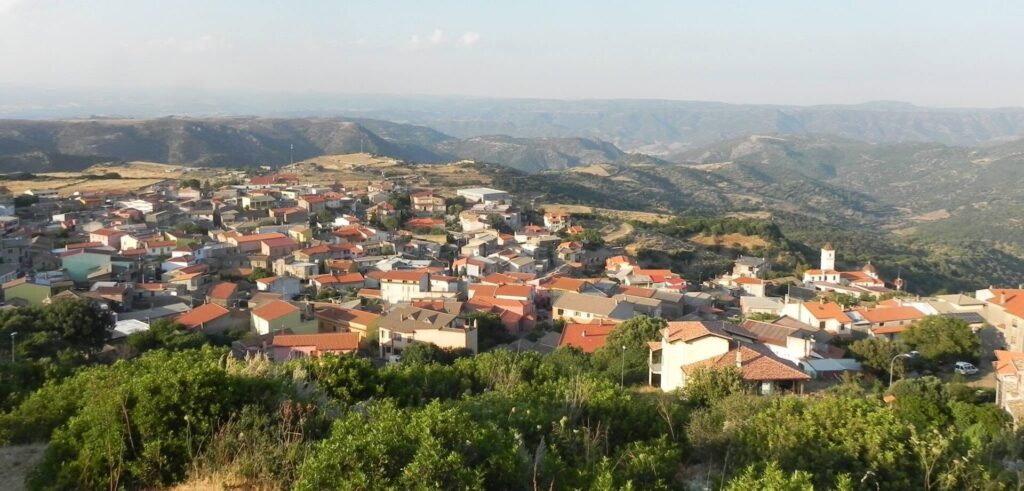
Silius is a village of about a thousand people in the Gerrei, at almost 600 metres on the eastern flank of Monte Ixi, roughly 50 km from Cagliari. Its houses fan out over fertile fields and pastures sloping towards the Flumendosa river. Here you'll find the ruins of a medieval castle, dozens of nuraghi and deeply felt religious festivals. Ideal for walkers, archaeology fans and anyone curious about inland village traditions.
What to see in Silius
Sassai castle
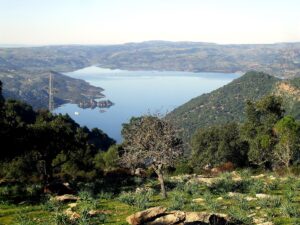
On a hill north of the village stand the ruins of Sassai castle, also called Orguglioso. It was built in the mid-13th century to control a wide area, including a stretch of the Flumendosa, and destroyed in the 14th century during the wars between Sardinians and the Crown of Aragon. The view over the Gerrei valleys is well worth the climb.
Nuraghi and prehistoric sites
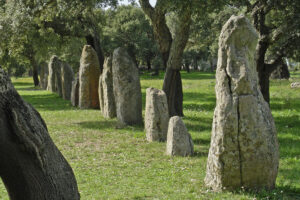
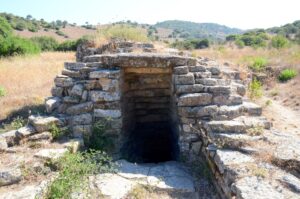
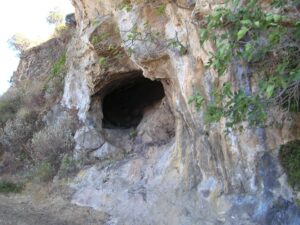
The area has many nuraghi (Bronze Age stone towers), including Santu Damianu, Sassai, Arrularis and Bruncu Mannu, plus the Copper Age megalithic circles of S'Incorradroxiu (Corona Arrubia) and the domus de janas, rock-cut tombs, of Pala de su Nuraxi.
Churches
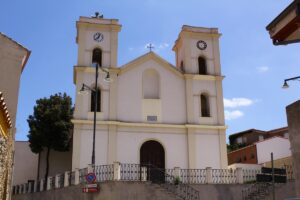
The parish church is dedicated to Saints Felicity and Perpetua, Carthaginian martyrs: one of very few churches in Italy named after them. Rebuilt in the 1800s, it has a simple gabled façade and a single nave. There's also the church of San Sebastiano and Santa Barbara.
Things to do in Silius
At 840 metres, Monte Ixi is the highest point around, and near its top rises the Is Alinos spring. Trails and country roads link the castle, nuraghi and springs, perfect for hiking, mountain biking and horse riding. The fluorite mine recalls the village's mining past and present. Scroll down to find experiences from local operators to explore the Gerrei with a guide.
History
Inhabited since the late Neolithic, the area flourished in the Bronze Age, and the Romans later used its nuraghi too. In the Middle Ages Silius belonged to the Gerrei district of the Judicate of Cagliari; after 1258 it passed to Pisa and around 1324 to Aragon. In 1681 it became part of the county of Villasalto, then the marquisate of Villaclara, and was redeemed in 1839 when feudalism was abolished.
Food and shopping
Cooking is rooted in farming and shepherding: cheeses, mutton and goat, bread and traditional Sardinian sweets, especially on feast days.
Festivals and traditions
- 20 January: San Sebastiano.
- 7 March and mid-June: feasts of the patron saints Felicity and Perpetua.
- Holy Week: Easter rites with S'Incontru, the meeting of the risen Christ and the Virgin.
- Mid-July: Santa Barbara, with a procession to the Muscadroxiu mine.
- Early December: Santa Barbara, patron saint of miners.
Nearby
- San Nicolò Gerrei: the Santu Iaci site and the trilingual column.
- Ballao: the Flumendosa and the Funtana Coberta sacred well.
- Goni: the Pranu Muttedu menhir park.
- Villasalto: the Su Suergiu mine.
Getting there and when to go
The nearest airport and port are in Cagliari, about an hour's drive via Dolianova and San Nicolò Gerrei. Spring and autumn are best for walking up to the castle; in summer the altitude keeps evenings pleasant.
FAQ
Can you visit Sassai castle?
Yes, the ruins sit on a hill north of the village; wear comfortable shoes for the climb.
How long do I need in Silius?
Half a day for the castle and village; a full day if you add a hike on Monte Ixi.
Is Silius family-friendly?
Yes, the castle and nuraghi feel like an adventure for kids, in a peaceful setting.