Things to do in Gesturi
Things to do in Gesturi, Sardinia: the Giara plateau and its wild horses, Bruncu Madugui proto-nuraghe, Brother Nicola's house, festivals and tips.
We are gathering the first experiences for this area. Check back soon, or tell us about an operator you know.
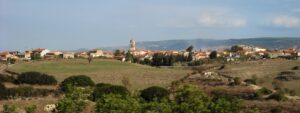
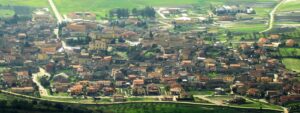
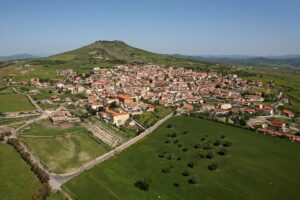
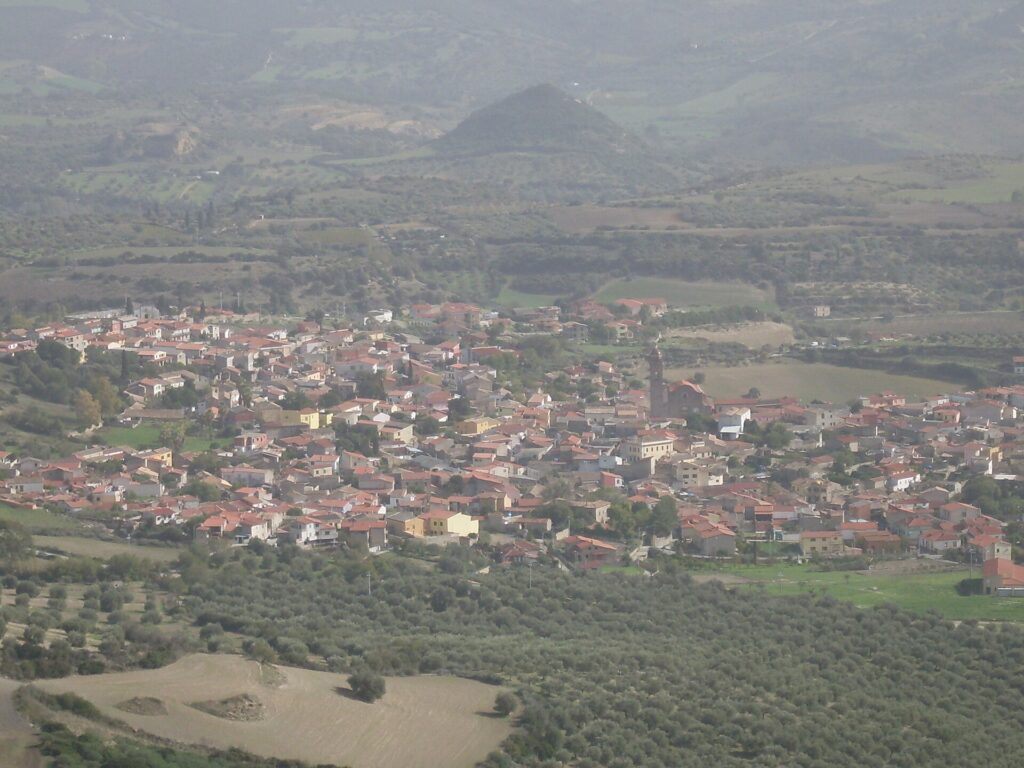
Gesturi is a village in the Marmilla, in south-central Sardinia, built at the foot of the Giara plateau, the great "island within the island" where the famous little wild horses roam free. It is also the birthplace of Blessed Brother Nicola, the Capuchin friar Sardinians hold dearest. It's ideal if you're after nature, archaeology and silence, and perfect for families, hikers and photographers, about an hour's drive from Cagliari.
What to see in Gesturi
The Giara of Gesturi
The Giara, here called sa Jara Manna ("the great Giara"), is a volcanic basalt plateau rising to about 600 metres. Almost half of it belongs to Gesturi, which shares it with Tuili, Setzu and Genoni. On top lies a unique landscape: cork oaks bent by the wind, scrub, and the paulis, large rain-fed ponds up to four metres deep that bloom with water flowers in spring. Around 500 Giara horses live here, small wild horses with almond-shaped eyes, found nowhere else in Europe and protected, moving in little herds. Watching them drink at the paulis is the highlight of any visit.
Bruncu Madugui proto-nuraghe
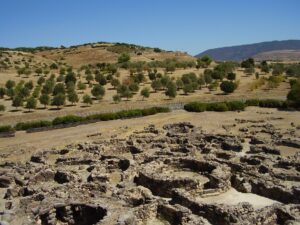
On the edge of the Giara stands Bruncu Madugui, a proto-nuraghe considered among the oldest in Sardinia and nicknamed the "father of the nuraghi". It lacks the domed roof of later towers and tells the story of the earliest nuragic phase. Around thirty sites dot the area, including nuraghi, giants' tombs, rock-cut tombs and standing stones.
The old village and Brother Nicola's house
The village keeps narrow lanes, arches, old doorways and farmhouses with arched verandas. Brother Nicola of Gesturi was born here in 1882; known as the "silent friar", he lived in Cagliari begging for alms and was beatified by John Paul II in 1999. His humble birthplace is now a small museum visited by pilgrims.
Churches and sanctuaries
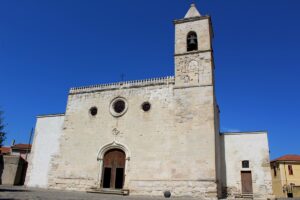
The parish church of Santa Teresa d'Avila, from the early 1600s, has a bell tower about 30 metres high. Santa Barbara, from the 15th century, is the oldest church, and Santa Maria Egiziaca is known for its dressed statues. About 4 km away, in woods full of springs, is the country sanctuary of the Madonna d'Itria, built in 1620.
Things to do in Gesturi
Don't miss a Giara excursion on foot, by bike or on horseback, ideally with a guide who knows where to find the horses and can explain the plateau's nature. The trails are flat and suitable for everyone, kids included. You may also spot hares, ducks, woodcocks and birds of prey, and in spring the flowering paulis are a sight to behold. Combine nature with an archaeology trail to Bruncu Madugui and nearby sites, then stroll the old village among churches and stone houses. Further down this page you'll find the excursions and experiences offered by local operators: pick yours and book.
History
The Giara has been inhabited since prehistory, and in nuragic times it was dotted with towers and villages; at Tana and Tupp'e Turri there are traces of Punic and Roman settlements. The village name may be pre-Roman. In the Middle Ages Gesturi belonged to the Marmilla district of the Judicate of Arborea. From 1409 it became part of the Kingdom of Sardinia and was handed to various feudal families until 1839. In the 20th century Brother Nicola turned Gesturi into a place of pilgrimage.
What to eat and buy
Gesturi's hills are covered with vineyards, olive groves and grain fields: extra virgin olive oil and wine are the village's pride. At the table you'll find the shepherd cooking of the Marmilla, with boiled mutton served with potatoes and broad beans, wild asparagus in spring, sheep's cheeses, home-baked bread and almond sweets. Oil, wine and cheese make the best souvenirs.
Festivals and traditions
- San Sebastiano (20 January): su foghidoni, a huge bonfire built with wood collected around the village, with Sardinian dances, wine and meat.
- Holy Week: rites led by the confraternities, with su scravamentu, the Deposition from the Cross, on Good Friday.
- Sant'Isidoro (15 May): a procession with flower-decked oxen and decorated tractors.
- Madonna d'Itria (Pentecost): novenas and a procession to the country sanctuary, with the main feast on the Tuesday of Pentecost.
- Santa Teresa d'Avila, the patron saint (mid-October), and the celebrations for Brother Nicola, with horsemen and folk groups.
Nearby
- Su Nuraxi at Barumini, a UNESCO World Heritage site, about 10 minutes' drive.
- Tuili, with the Master of Castelsardo altarpiece and another gateway to the Giara.
- Las Plassas and the Marmilla castle on its conical hill.
- Laconi, with Aymerich park and the menhir museum, about 25 minutes away.
Getting there and when to go
The nearest airport is Cagliari-Elmas, about an hour's drive, as is the port of Cagliari. Take the SS131 to Sanluri, then head towards Barumini and Gesturi, or come via the SS128 from the Sarcidano. Spring, from March to May, is the best season: the paulis are full, the Giara is green and blooming, and the horses gather near the water. Autumn is pleasant too; in summer it's hot and the ponds dry up, so go out early in the morning.
FAQ
Where can I see the Giara horses?
On the plateau, especially near the paulis. Your chances are best in spring and early in the morning; a local guide helps you find them without disturbing them.
Is Gesturi good for families?
Yes: the Giara trails are flat and children love the horses. Bring water, a hat and comfortable shoes.
How long should I stay in Gesturi?
A full day lets you hike the Giara and see the village; add a second day for Barumini and the surroundings.