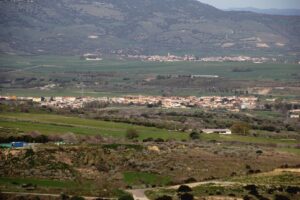
Things to do in Genuri
Things to do in Genuri, Marmilla: San Marco nuraghe, courtyard houses, the Giara di Gesturi wild horses, olive oil and the September feast.
We are gathering the first experiences for this area. Check back soon, or tell us about an operator you know.
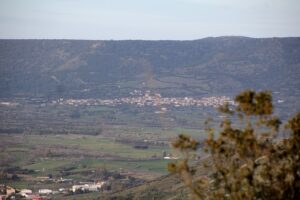
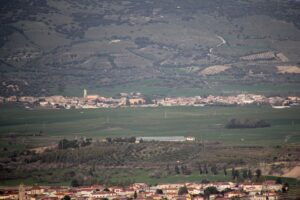
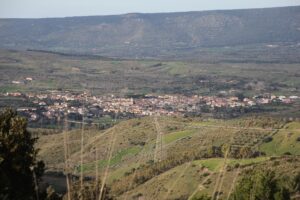
Genuri is one of the smallest villages in the Marmilla: about three hundred people living at the foot of the Giara di Gesturi plateau, roughly an hour's drive from Cagliari. It's a quiet farming village of stone and mud-brick houses, centuries-old olive groves and wheat fields. Stop here for the San Marco nuraghe, for easy access to the Giara and its wild horses, and for the genuine feel of a place that still lives by the rhythm of the countryside. It suits slow travellers, nature and archaeology lovers, and anyone looking for a Sardinia far from the crowds.
What to see in Genuri
The San Marco nuraghe
The San Marco nuraghe (Santu Marcu) is the most important monument in the area and has been archaeologically excavated. It stands next to the country church of the same name, proof that people lived here in the Nuragic age, as the ruins of other nuraghi in the fields also show. (A nuraghe is a Bronze Age stone tower, the symbol of Sardinia.)
The churches
Besides the country church of San Marco, the village has the churches of San Domino and Santa Maria: simple buildings tied to the feasts that mark the community's year.
Courtyard houses
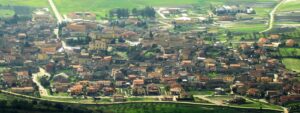
Walking around you'll notice the typical Campidano courtyard houses: a stone ground floor, an upper floor of sun-dried mud bricks and rooms opening onto an arcaded inner courtyard called sa lolla. The Saduru stream, which rises on the Giara, runs through the village.
Things to do in Genuri
The big draw is the Giara di Gesturi, the basalt plateau above the village: cork and downy oak woods, seasonal ponds called paulis and the famous small wild horses, whose origins are still a mystery. You can explore it on foot, by bike or on horseback, ideally with a guide who knows where the horses come to drink. Around the village you can also learn about extra virgin olive oil made from centuries-old trees. Have a look at the experiences offered by local operators, listed just below.
History
Inhabited since Nuragic times, in the Middle Ages Genuri belonged to the Giudicato of Arborea (one of Sardinia's four medieval kingdoms). After its fall the village passed to the Marquisate of Oristano and, from 1478, to the Aragonese, becoming part of the Marquisate of Quirra, held by the Centelles and later the Osorio de la Cueva families. It was bought back in 1839 when feudalism was abolished. From 1928 to 1958 it was merged with Tuili, then regained independence.
Food and local products
The star product is extra virgin olive oil, highly regarded, along with wheat and pulses. Sheep and goat farming provides cheese and meat. For feast days, families bake traditional breads and sweets, as across the Marmilla.
Festivals and traditions
Religious feasts honour San Marco, San Domino and Santa Maria del Monserrato, known locally as sa Munzerrada, celebrated in early September and the most heartfelt event of the year.
Nearby
- Giara di Gesturi: the plateau of the wild horses, a few minutes away.
- Tuili: Villa Asquer and the church of San Pietro.
- Barumini: Su Nuraxi, a UNESCO World Heritage Site, about 15 minutes by car.
- Gonnosnò: the San Salvatore sacred well.
- Sini: home of the pani 'e saba sweet.
Getting there and when to go
The nearest airport is Cagliari-Elmas, about an hour away: take the SS131 to Sanluri, then continue towards Barumini and Tuili. Oristano is about 45 km away. Spring and early autumn are best: the Giara is green, the ponds are full and it's pleasant to walk. In summer, head out early in the morning.
FAQ
How long do I need to visit Genuri?
A couple of hours for the village; add a hike on the Giara and a visit to Barumini and you'll fill a whole day.
Is Genuri good for families?
Yes: life is slow and children love the Giara horses. Bring comfortable shoes and water.
Can I see the Giara horses from Genuri?
The village lies at the foot of the plateau: a short drive up and a walk take you to the areas where they graze, easiest to spot near the ponds.