Things to do in Pau
Things to do in Pau, Sardinia's obsidian village: museum, the Sentiero Corvino trail in Monte Arci park, churches and handmade jewellery.
We are gathering the first experiences for this area. Check back soon, or tell us about an operator you know.
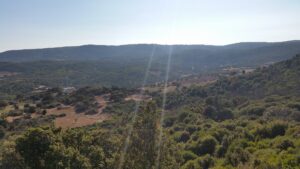
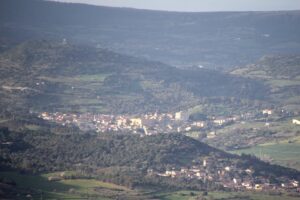
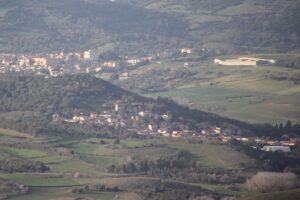
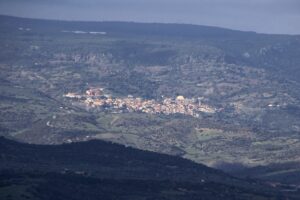
Pau is a tiny village in the Upper Marmilla, sitting at about 300 metres on the western slope of Monte Arci, in the province of Oristano. It is known as the “obsidian village”: the black volcanic glass that was traded across the Mediterranean in prehistoric times still glitters along the mountain trails. With a dedicated museum, jewellery workshops and holm oak woods all around, it is a perfect stop for hikers, curious families and anyone fascinated by prehistory.
What to see in Pau
Obsidian Museum
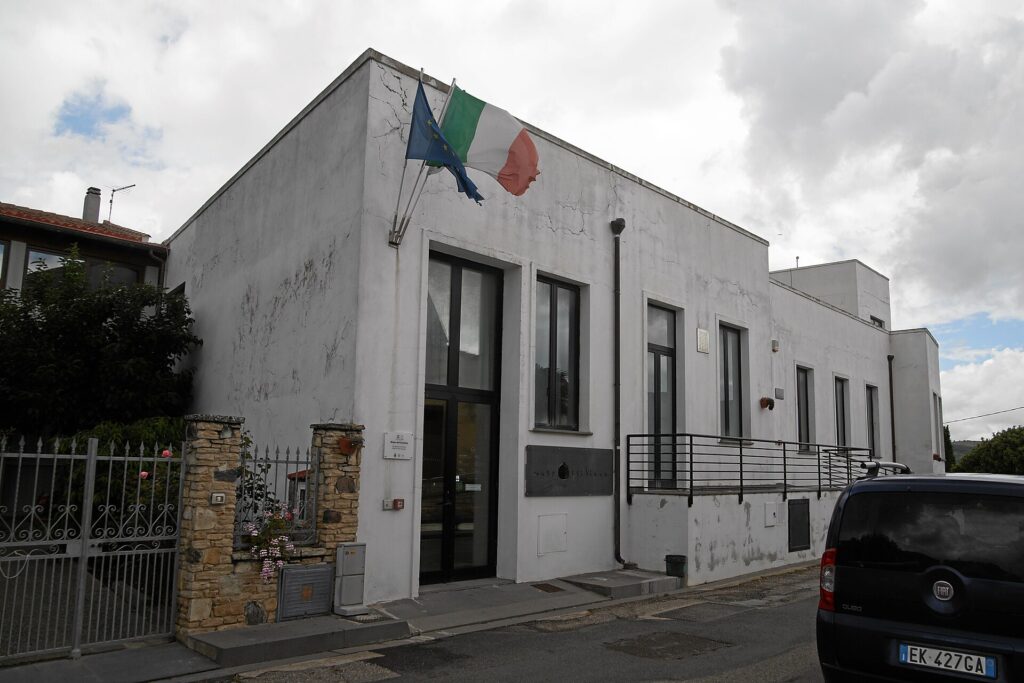
On the edge of the village, the museum explains how Monte Arci obsidian was gathered and worked into blades, arrowheads and tools, with replicas of ancient objects and works by contemporary artists. It is also the ideal starting point for walks on the mountain.
Churches
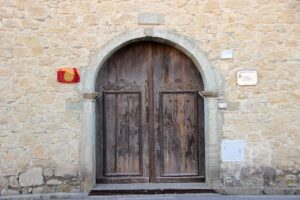
The parish church of San Giorgio martire stands in the village centre. Out in the countryside is the little church of Santa Prisca, next to the rise of Su Pizzu de sa Campana, where traces of an ancient village remain.
Nuraghi and sculptures
The area has the single-tower nuraghe of Su Castiu and two Nuragic complexes (nuraghi are Sardinia's Bronze Age stone towers). In the village, large dark stone blocks shaped by contemporary sculptors, two of them in the town hall square, celebrate its volcanic identity.
Things to do in Pau
The signature experience is the Sentiero Corvino (Scaba Crobina, the “raven-black path”), already described in the 19th century by General La Marmora: a steep trail crossing heaps of shiny obsidian. The mountain is part of the Monte Arci Nature Park, with holm and downy oak woods, springs and views over the Oristano plain and the Giara plateaus; with luck you will spot red deer, fallow deer and birds of prey. In the village you can visit workshops where jewellery is made from obsidian and precious metals. Browse the walks and experiences offered by local operators just below.
History
People came to Monte Arci from the Neolithic onwards precisely for its obsidian, traded with distant lands for thousands of years. The area was inhabited in Roman times, as roof tiles, pots and coins found in the fields show. In the Middle Ages Pau belonged to the Judicate of Arborea; after its fall it passed to the Aragonese and then to the marquisate of Quirra, until it was freed from feudal rule in 1839.
Food and local products
Expect the farmhouse cooking of the Upper Marmilla: rustic bread, pulses, sheep's cheeses and local meats. The most original souvenir is a piece of handmade obsidian jewellery from one of the village workshops.
Festivals and traditions
The best-loved feast is Santa Prisca, held in early September at the country church, when the whole community gathers outdoors.
Nearby
- Ales, a few minutes away: the cathedral of Saints Peter and Paul and the birthplace of Antonio Gramsci.
- Villa Verde, with the Nuragic village of Brunk'e s'Omu.
- Usellus and the church of Santa Reparata, built on the ruins of Roman Uselis.
- Masullas and its Monte Arci GeoMuseum.
Getting there and when to go
Pau is about 40 minutes by car from Oristano, reached via the SS131 highway. The nearest airports are Cagliari-Elmas, just over an hour away, and Alghero; ferries arrive in Cagliari and Olbia. The best months are March to June and September to November, when the weather is ideal for walking on Monte Arci.
FAQ
Can I collect obsidian in Pau?
The area is a nature park and the deposits are geological and archaeological heritage: admire and photograph them, but leave them where they are.
Is the Sentiero Corvino difficult?
It is short but steep: wear hiking shoes and expect a little effort. With a guide it is easier, and you will understand much more of what you see.
Is Pau good for families?
Yes, children enjoy the museum and the woods; with little ones, choose the gentler park trails.