Things to do in Serri
Things to do in Serri, Sardinia: Santa Vittoria nuragic sanctuary, the Giara di Serri plateau, churches, hiking, traditional festivals and tips.
We are gathering the first experiences for this area. Check back soon, or tell us about an operator you know.
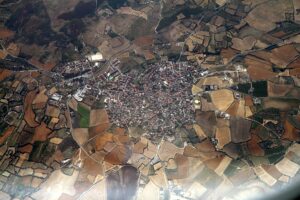
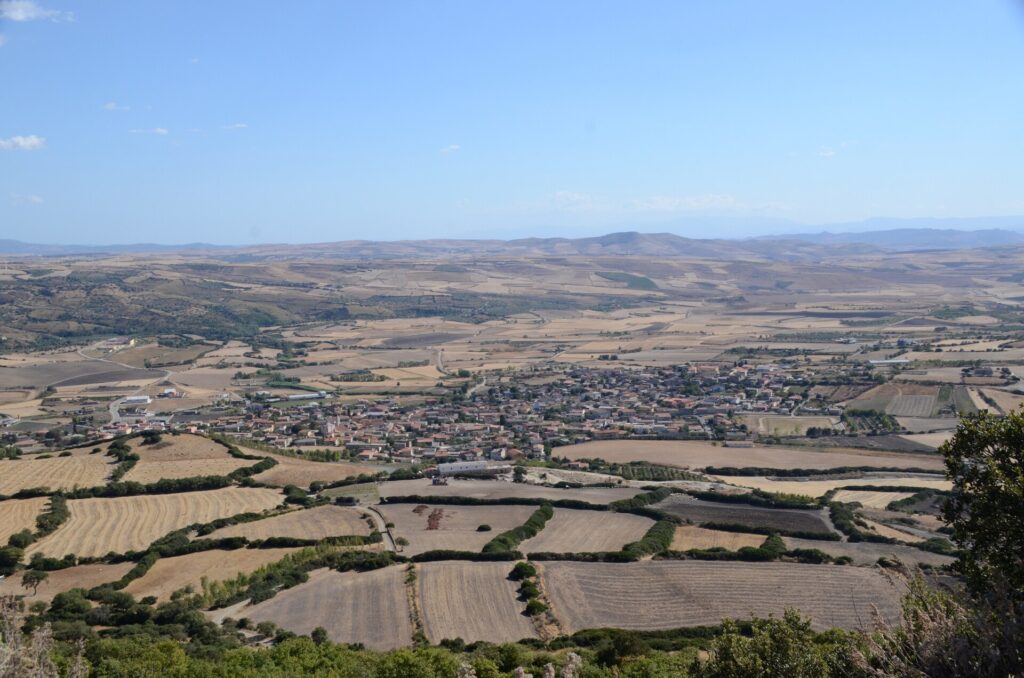
Serri is a small village about 600 metres up on the edge of the Giara di Serri plateau, between the Sarcidano and the Trexenta, about an hour's drive from Cagliari. Its name is linked to one of the most fascinating places in Sardinian prehistory: the nuragic sanctuary of Santa Vittoria, a true open-air museum with views from the Gennargentu to the Marmilla hills. It's ideal for archaeology lovers, walkers and anyone who enjoys quiet inland villages.
What to see in Serri
Santa Vittoria nuragic sanctuary
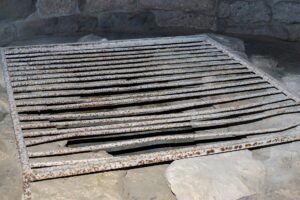
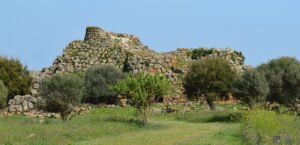
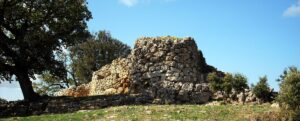
At the south-western tip of the Giara, protected by cliffs, lies one of the largest nuragic sanctuaries on the island: the excavated area covers about three hectares, but the complex was once much larger. Used since the Bronze Age, between 1100 and 800 BC it became a great religious and meeting centre for the local communities. You can visit the well temple, built of perfectly squared basalt and limestone blocks, with steps leading down to the sacred water; the festival enclosure, a large oval square with porticoes, workshops and kitchens, probably used for feasts and assemblies; the curia, a round hut with a bench for about fifty people; the "chief's hut" and other sacred buildings. The bronze figurines and most precious finds, which reveal contacts with Etruscans, Phoenicians and Cypriots, are now in the National Archaeological Museum of Cagliari.
Santa Vittoria church
Inside the site stands the little Romanesque church of Santa Vittoria, which gives the sanctuary its name. Probably Byzantine in origin, it was later rebuilt, perhaps by the Victorine monks of Marseille, partly reusing stones from the sanctuary. It is still a place of worship.
Village churches
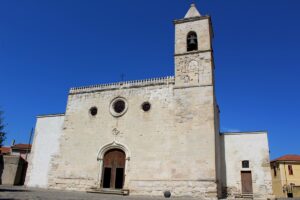
The parish church of San Basilio Magno, Pisan Romanesque in layout, holds an 18th-century marble high altar and Baroque wooden altars. In the oldest part of the village is the little church of Sant'Antonio Abate (1770), with its crenellated façade and small bell in the arch. On the eastern side of the Giara is the country sanctuary of Santa Lucia.
Things to do in Serri
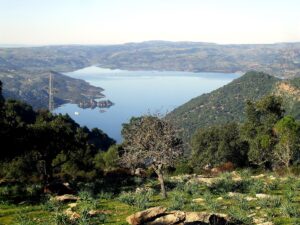
Besides the guided visit to the sanctuary, which takes at least a couple of hours, the Giara di Serri is perfect for hiking, cycling or horse riding: it's a smaller version of the Giara di Gesturi, with holm oaks, ancient oaks and Mediterranean scrub. From its edges the view is vast and especially beautiful at sunset. Many visitors combine Serri with other nearby nuragic sites in a one-day archaeology tour. The experiences offered by local operators, from guided visits to excursions, are right below, ready to book.
History
The Giara was used from the Neolithic, but its heyday came in the nuragic age, when Santa Vittoria became a sacred and meeting place for the local clans. In Roman times a fire devastated the complex, though it was still visited in Punic, Roman, Byzantine and medieval times. According to tradition, the village was founded by people fleeing an epidemic in the nearby Roman town of Biora. In the Middle Ages Serri belonged to the Judicate of Cagliari, then to Pisa and Aragon, and remained a fief until 1839. Excavations at the sanctuary, begun in 1909 by archaeologist Antonio Taramelli, continue to this day.
What to eat and buy
Local cooking is based on the produce of pastures and fields: sheep's cheeses, meat, vegetables, fruit, olive oil and wine. Traditional crafts include bread-making, embroidery, woven baskets and woodcarving: a decorated bread or a basket makes an authentic souvenir.
Festivals and traditions
- Sant'Antonio Abate (mid-January): a bonfire in the village, followed a few days later by San Sebastiano.
- Santa Lucia (late May): a feast at the country sanctuary, linked to a traditional livestock fair.
- San Basilio Magno, the patron saint (late August).
- Santa Vittoria (11 September): a procession to the little church inside the nuragic sanctuary.
Nearby
- Nuraghe Arrubiu at Orroli, the "red giant", about 20 minutes away.
- Isili, with Nuraghe Is Paras and Lake Is Barrocus.
- Su Nuraxi at Barumini, a UNESCO site, about half an hour.
- Giara di Gesturi, home of the wild horses.
Getting there and when to go
The nearest airport and port are in Cagliari, about an hour's drive via the Trexenta or the SS128. There's a stop on the Cagliari–Isili railway, about a kilometre from the village. Spring and autumn are best, with mild weather for walking on the Giara; in summer visit the sanctuary in the morning or late afternoon. In mid-September the Santa Vittoria feast brings archaeology and tradition together.
FAQ
How long does Santa Vittoria take?
At least two hours for the sanctuary; with half a day you can add a walk on the Giara and the village.
Where can I see the finds from Santa Vittoria?
The bronzes and main objects are in the National Archaeological Museum of Cagliari, well worth adding to your trip.
Is Serri good for families?
Yes: the site is open and spacious and the Giara has easy walks. Bring a hat and water, as there's little shade.