Things to do in Las Plassas
Las Plassas, Sardinia: the hilltop Marmilla castle, the MudA multimedia museum, churches, nuraghi and the pulse festival, next to Barumini.
We are gathering the first experiences for this area. Check back soon, or tell us about an operator you know.
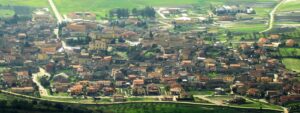
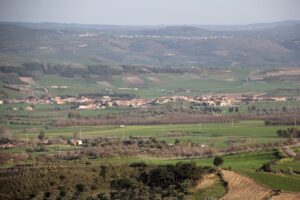
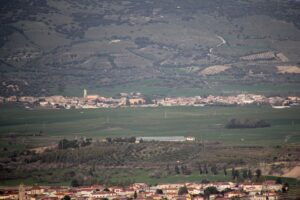
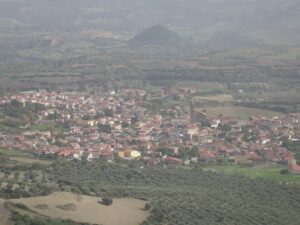
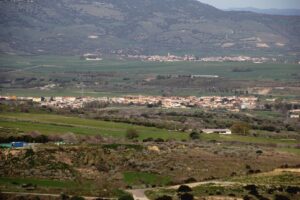
Las Plassas is one of Sardinia's smallest municipalities, home to about two hundred people in the Flumini Mannu valley in the Marmilla, a few kilometres from Barumini. You spot it from afar: a perfectly conical hill rising from the plain, crowned by the ruins of the Marmilla castle. Visit for the castle, the MudA multimedia museum and a countryside full of nuraghi. It is perfect for medieval history buffs, view lovers and families with curious kids.
What to see in Las Plassas
Marmilla Castle
Built by the 12th century, it was a border fortress of the Judicate of Arborea and stayed in use until the late 15th century. Today you can see the main tower, sections of wall and a large cistern cut into the rock; excavations have uncovered pottery and objects from the 13th to the 16th centuries. The climb is short and the view from the top takes in the whole Marmilla. You can visit with an audio guide collected at the museum.
The MudA museum
In a 19th-century house at the foot of the hill, the Multimedia Museum of the Kingdom of Arborea tells the story of the castle and village in the 14th century, with finds from the digs and a narrative reconstruction of a visit by Judge Mariano IV. It also holds a 1st-century AD Roman inscription in which the Uneritani dedicate a temple to Jupiter.
The churches
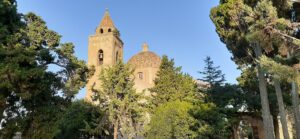
At the foot of the castle stands Santa Maria Maddalena, the former parish church built between the 16th and 18th centuries, with a large dome and a bell gable holding a late 16th-century bell. The current parish church is the 17th-century San Sebastiano. On the outskirts, the 14th-century country church of Santa Maria encloses a Nuragic sacred well.
Nuraghi and archaeological sites
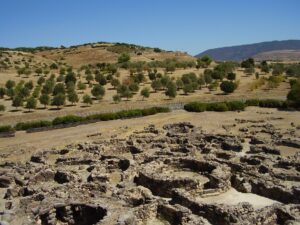
The territory includes the five-lobed s'Uraxi nuraghe, several single-tower nuraghi and the Mesedas giants' tomb.
Things to do in Las Plassas
Climbing to the castle at sunset, touring the museum and walking among the fields and nuraghi are the highlights. Las Plassas fits easily into an archaeology day in the Marmilla with Barumini, minutes away, and hikes on the Giara di Gesturi plateau. Take a look at the experiences offered by local operators just below.
History
Inhabited since prehistory, in Roman times the area belonged to the colony of Uselis. The medieval village grew up around the castle: the name comes from sas plassas, the small clusters of houses at its foot. After the Battle of Sanluri in 1409 it passed to the Crown of Aragon; from 1541 it was a fief of the Zapata family until it was bought out in 1839.
Food and local products
The valley is fertile farmland, and pulses are the signature product, celebrated with their own festival. Also try the bread, cheeses and traditional Marmilla sweets.
Festivals and traditions
- San Sebastiano, 20 January, with a big bonfire on the eve.
- Santa Maria Maddalena, 22 July.
- Nativity of Mary, 8 September, the most heartfelt feast, around the church of Santa Maria.
- Pulse festival, late September.
Nearby
- Barumini and the UNESCO-listed Su Nuraxi, minutes away.
- Villanovafranca and the Su Mulinu nuraghe.
- Tuili and the Giara di Gesturi, with its wild ponies.
- Pauli Arbarei and the Bruncu Mannu nuraghe.
Getting there and when to go
The nearest airport and port are in Cagliari, about an hour away: take the SS131 to Sanluri, then the SS197 towards Barumini. Spring and autumn are ideal for climbing to the castle in mild weather; in summer go early in the morning or towards evening.
Frequently asked questions
How long do I need for Las Plassas?
About two hours for the castle and museum; easy to pair with Barumini on the same day.
Is the climb to the castle hard?
It is short but steep: wear comfortable shoes and take it slowly, especially in the heat.
Is Las Plassas good for families?
Yes: the hilltop castle and the multimedia museum are an engaging way to bring medieval Sardinia to life for kids.